Year: 2017
Made with: Rhinoceros, Grasshopper, Photoshop, Illustrator, 3dsMax, Vray, AutoCAD
Fourth year housing studio project.
Instructor: Arch. Dafna Matok, Arch. Leonardo Kalichman
Team: Noy Ilan, Shani Alezra
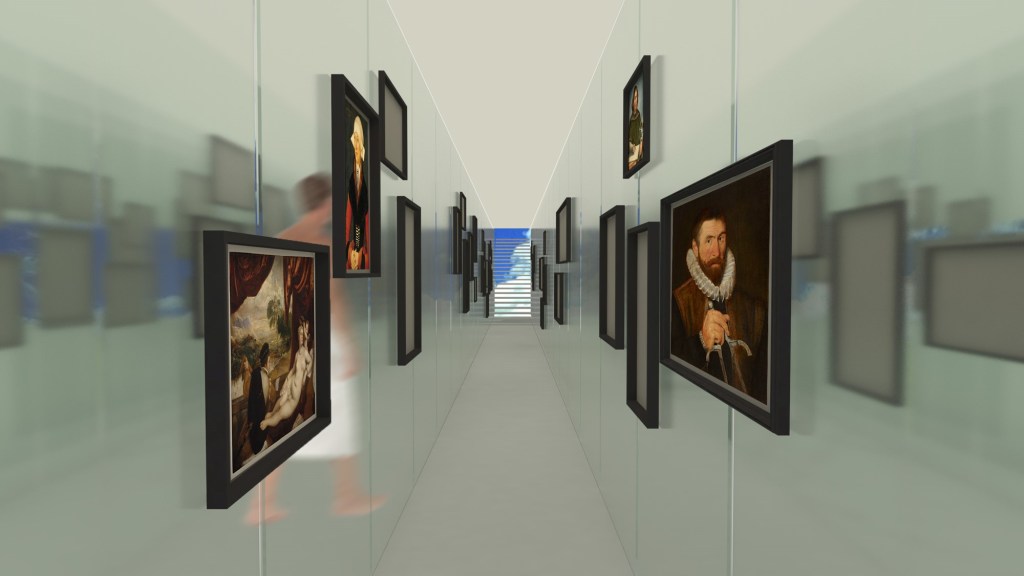


In only a few years, digital social networks had largely changed human interaction and privacy conventions. The internet made long-distance communication as fast as face-to-face interaction and smartphones propagated this ability in front of every pair of eyes. Interaction methods literally evolved with the speed of light in those years, while the physical infrastructure in which we live in could not keep pace.
Accepting technology and its contribution to social evolution, we have to adapt our planning methods and always try to design up-to-date architecture, which is compatible with current and maybe future generation human behavior.
In this project, we somewhat criticize these changes through the creation of new housing typologies. The new houses will allow methods of interaction that are mostly found in public spaces and in todays digital environments, such as multi-directional, two-way, one-way, and anonymous interactions.

Google virtually put the public library on your doorstep, Facebook and Whatsapp brought you streets and public squares and Twitter and Instagram made a stage or a balcony for everyone to watch. All of these lowered our expectation to get privacy in our home, as we always host the entire public behind levels of digital filtering, making a rainbow of privacy states.
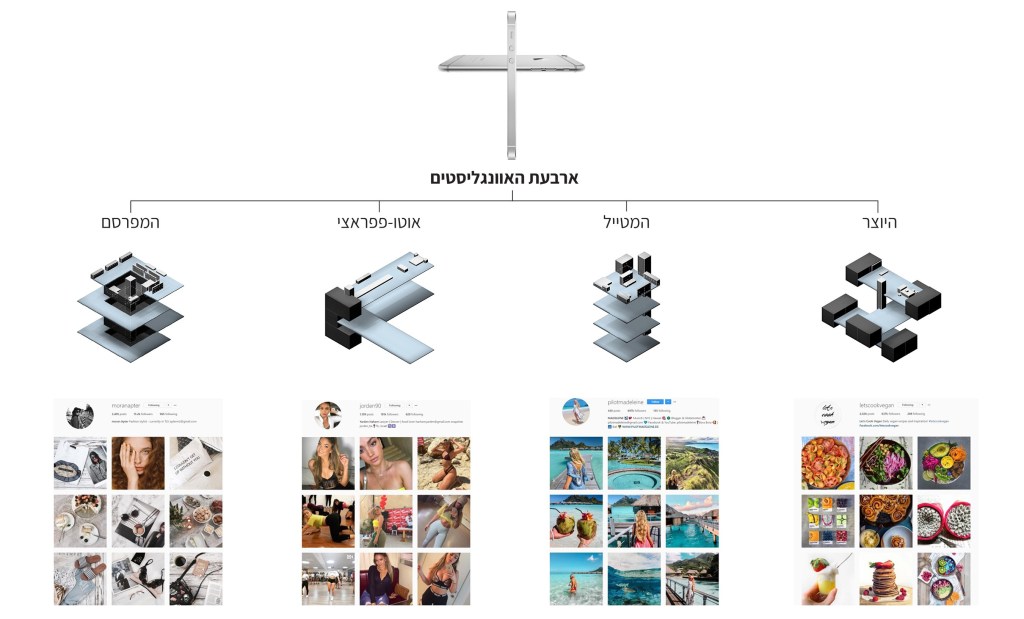
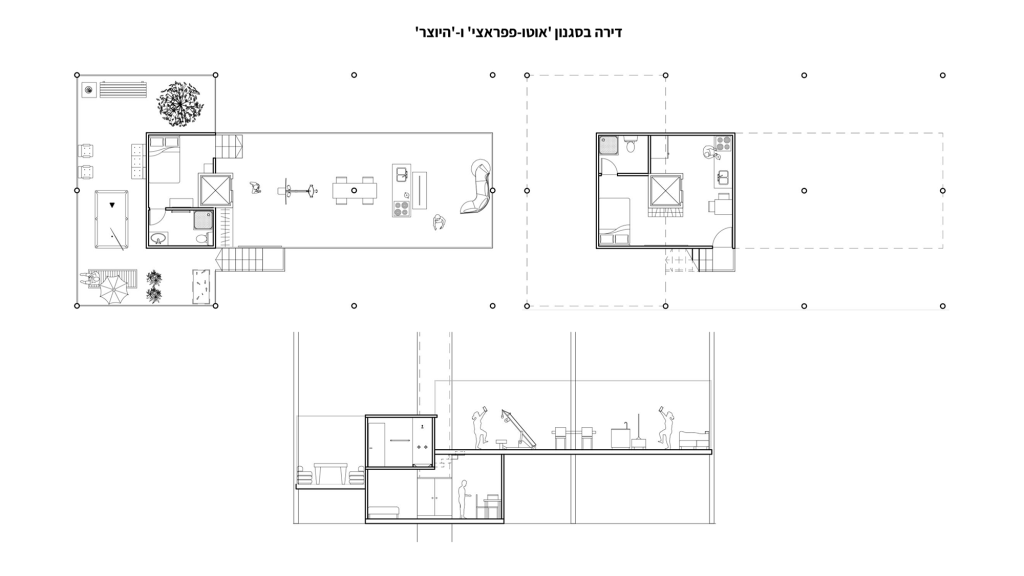
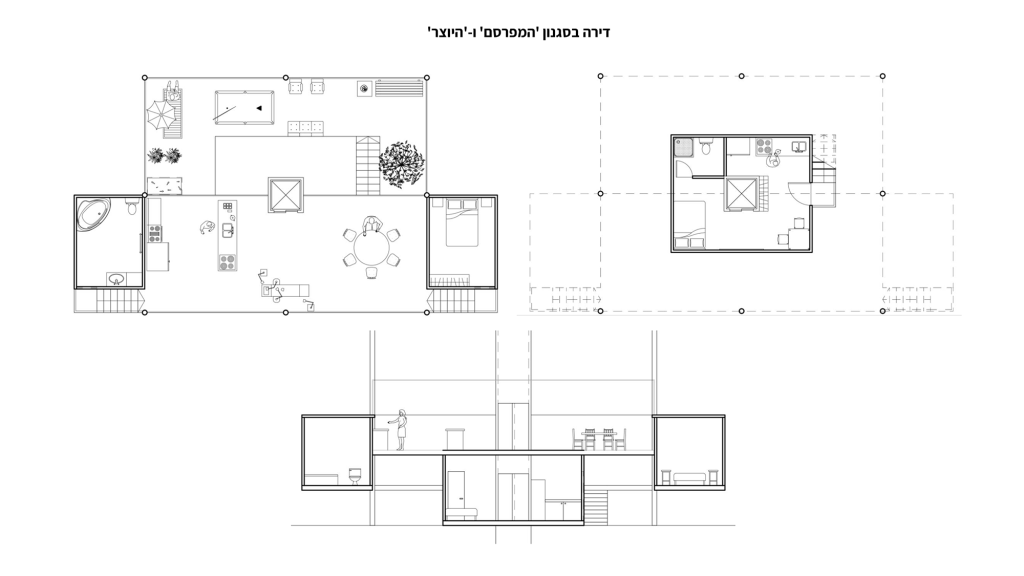
People use these privacy states to promote or conceal different aspects of their lives, shaping their a reflected image through changing degrees of visibillity and attention. Analysing this behaviour on social networks, we can recognize types of people, or characters, that use similar privacy dosages to create different self-images. We defined 4 of these characters: Creators, Travelers, Auto-Paparazzis and Advertisers, then we designed an apartment prototype for each character.
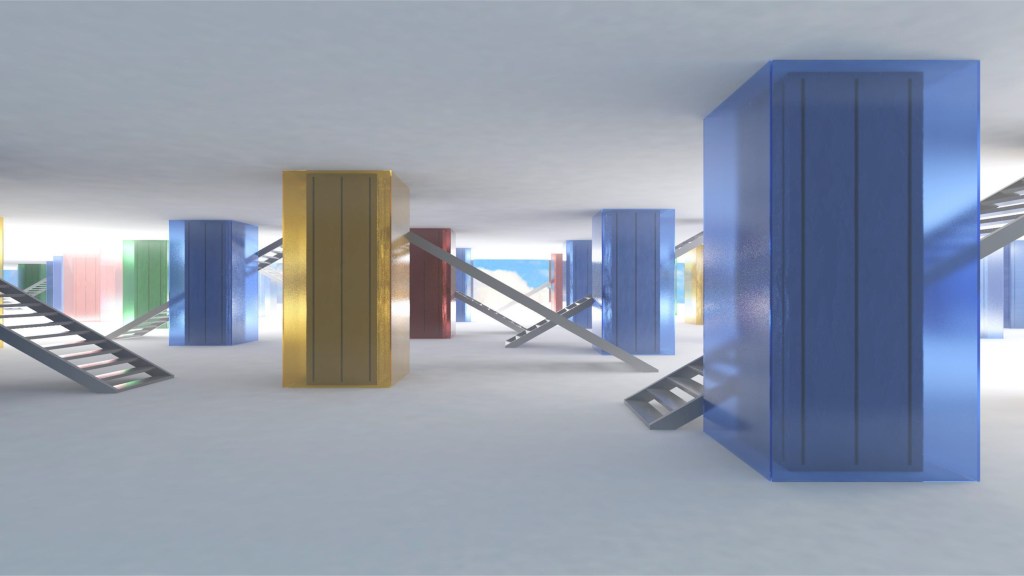
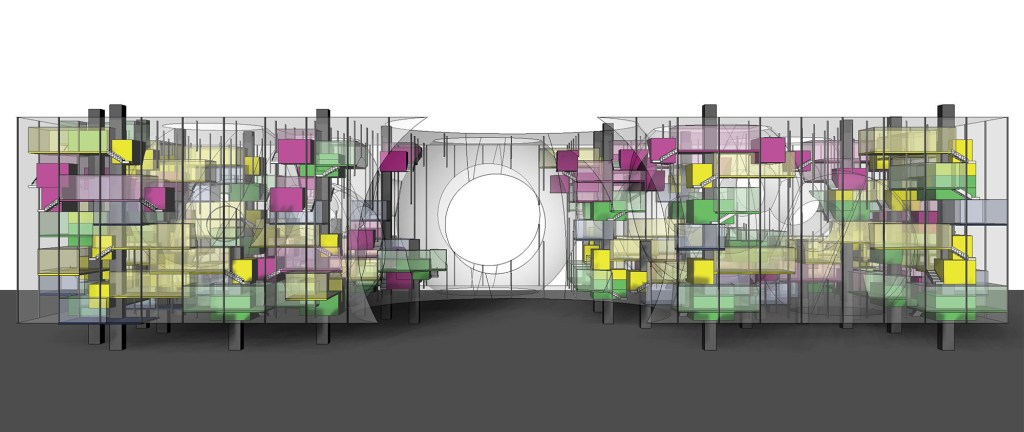
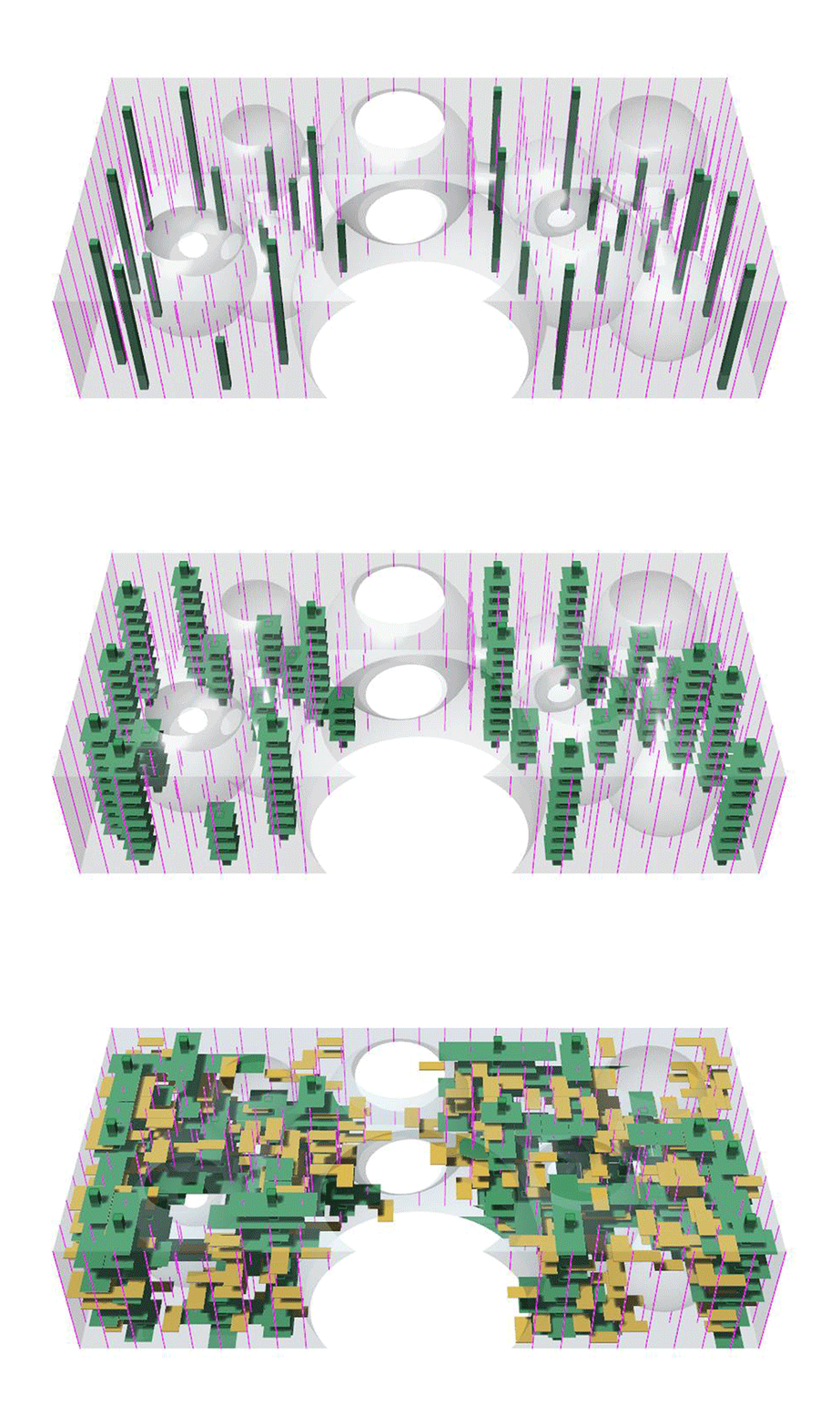
In order to achieve the desired levels of privacy or publicity, those different apartments would have to be interlaced together with the same concepts that the internet is built on. We designed a building skeleton that will physically and visually allow some level of rhizomatic connection system, keeping the ability to sign in and out with the speed of an elevator.
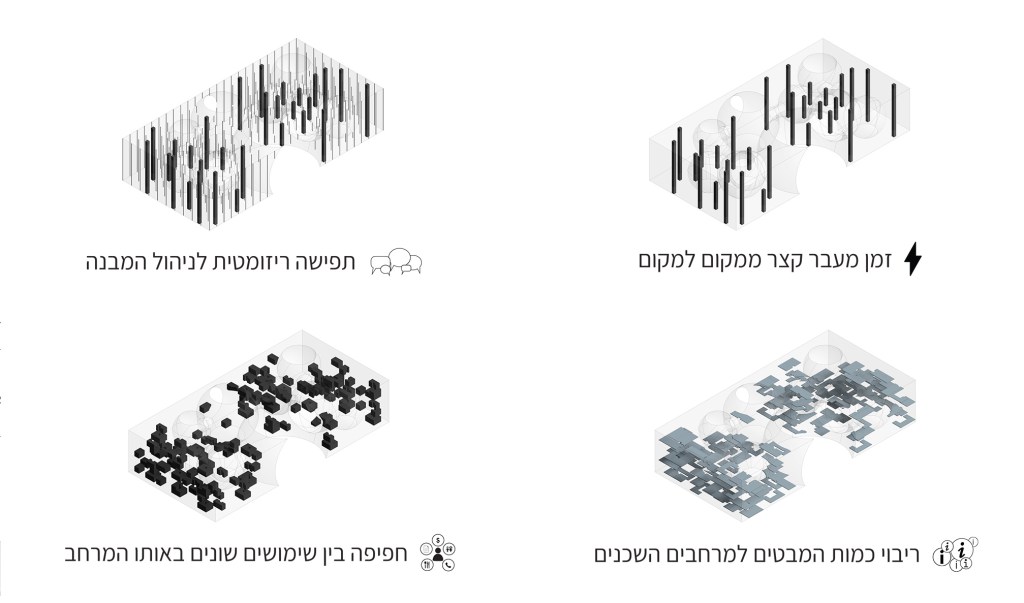
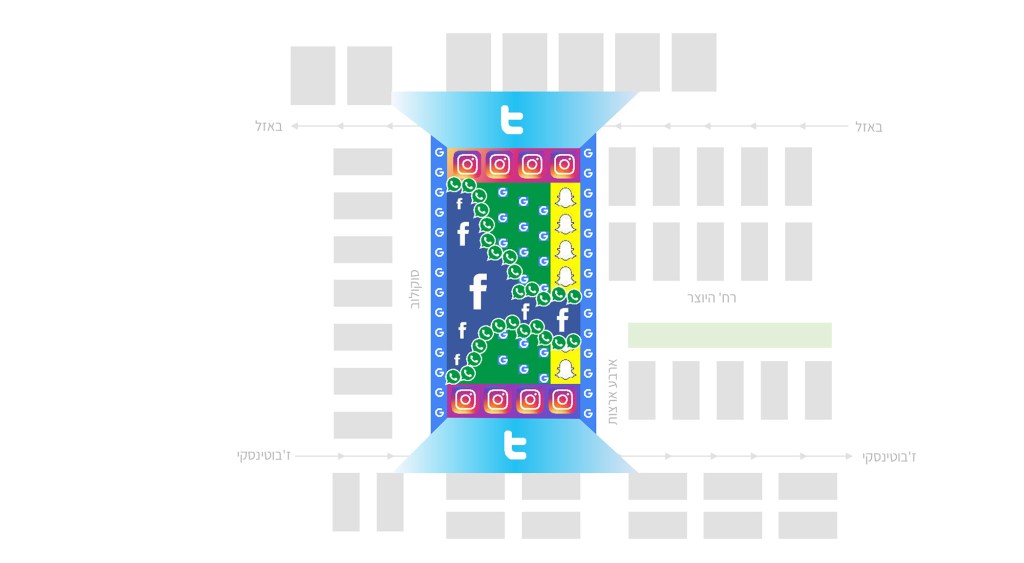
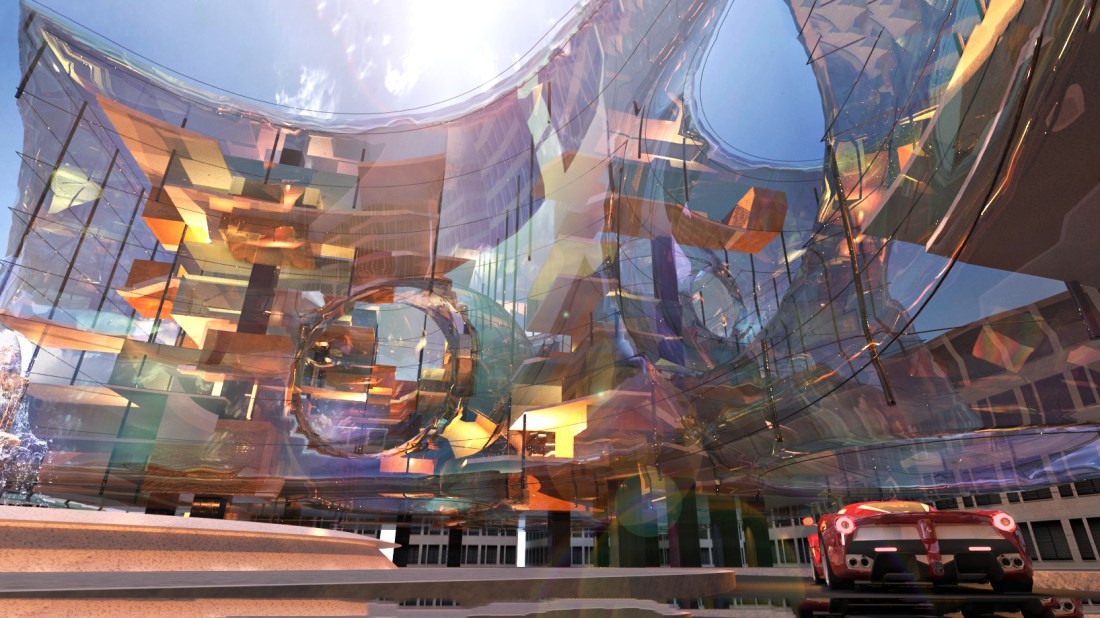
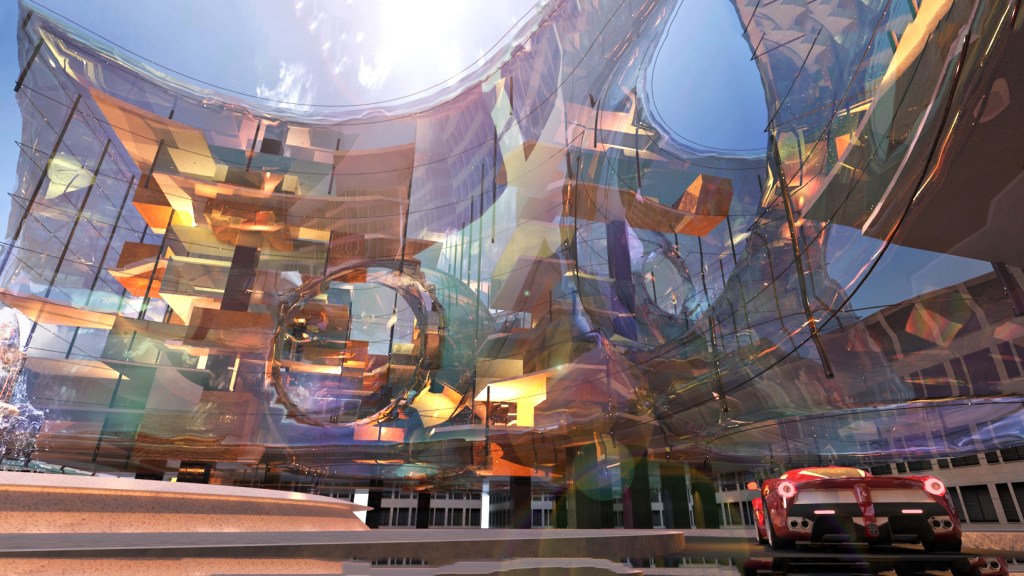
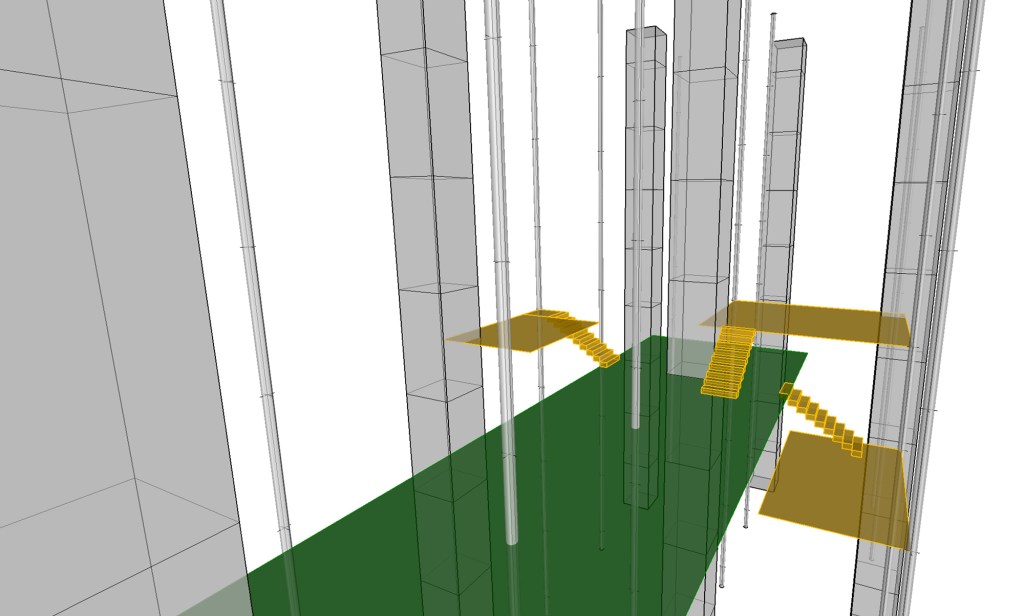
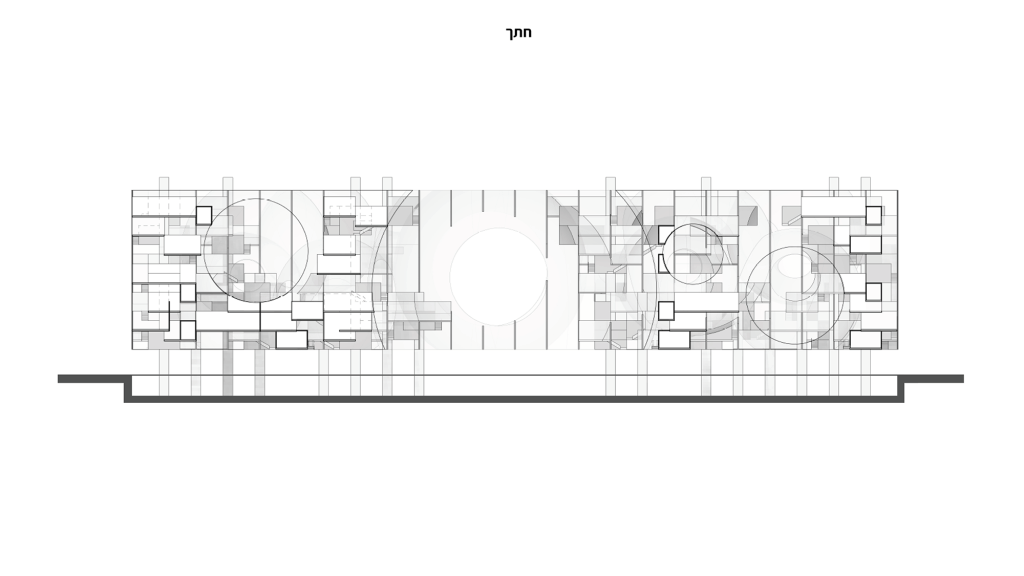
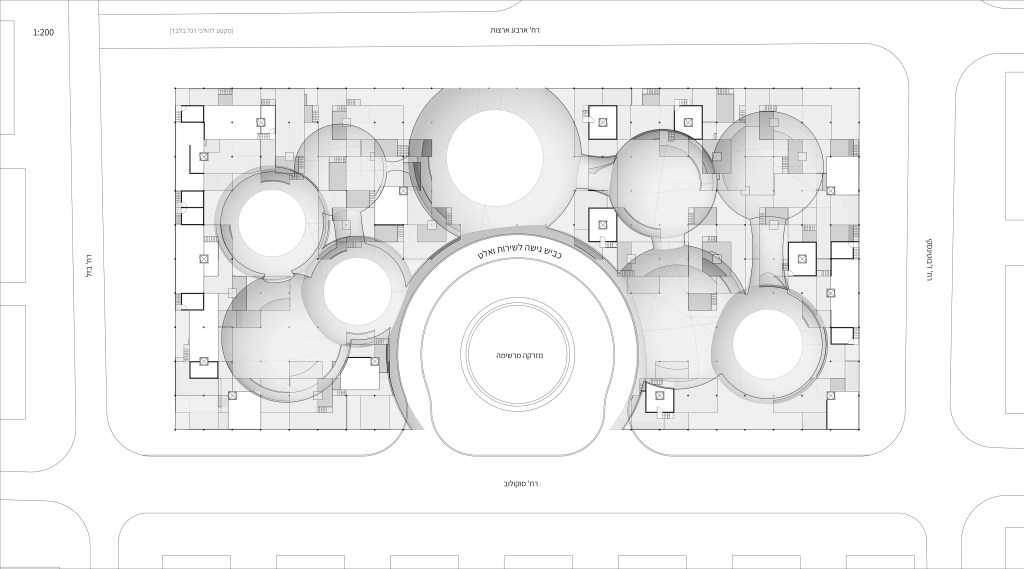
The building consists of a large bubble box which contain a column grid. The columns help stacking apartments without regular gravitational dependecy, and the bubble screen-walls define the degrees of privacy in different areas of the lot.
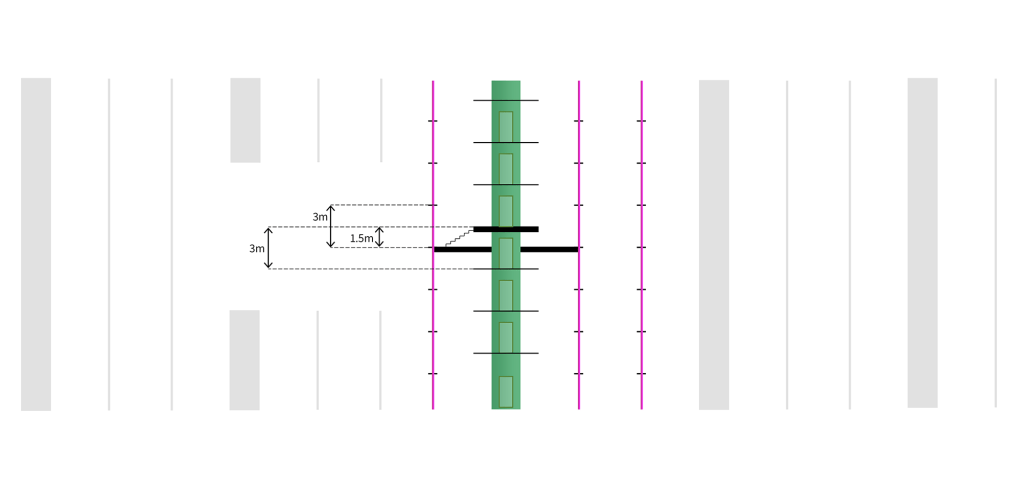
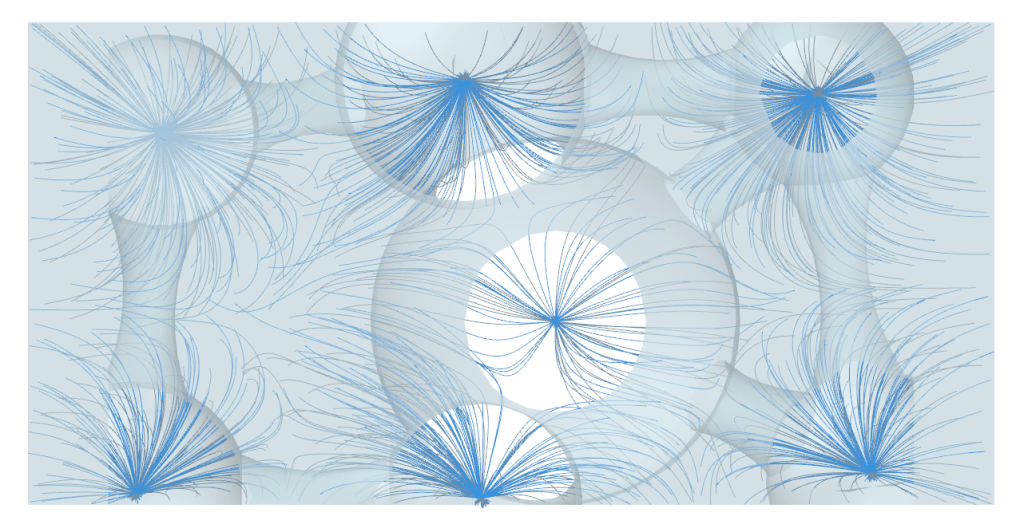
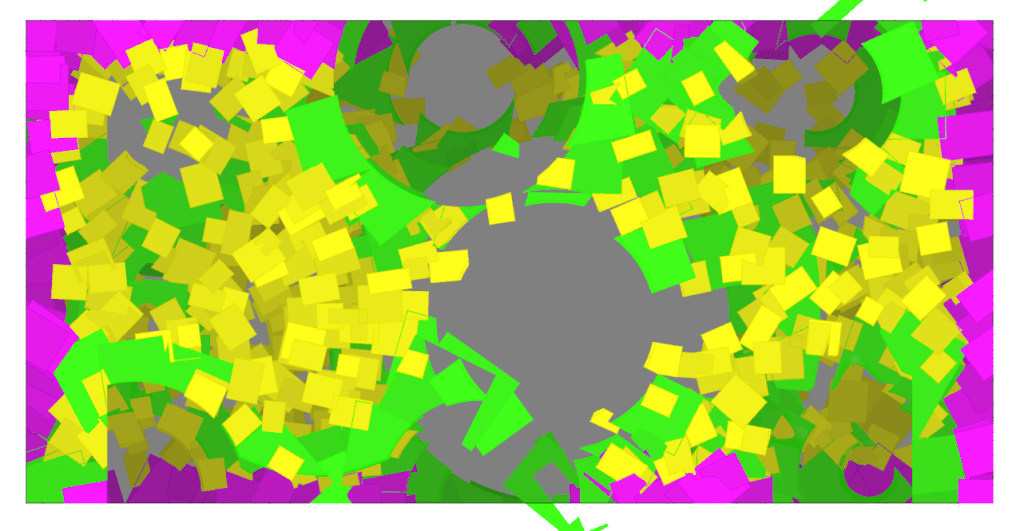
The exact position and size of the bubbles is calculated so we get the maximum habitable area in the given lot:

Building and two detailed apartment plans:
 Noyil
Noyil 